Choose Toronto top Residential Electrician for Expert Home Electrical Solutions
Choose Toronto top Residential Electrician for Expert Home Electrical Solutions
Blog Article
Why Using a Residential Electrician Is Necessary for Home Wellbeing!
Bringing in a residential electrical provider is critical for ensuring home safety. Many homeowners overlook the difficulties of electrical infrastructure. DIY tries can spark serious hazards, such as fire incidents or electrical exposure. Licensed electricians offer core experience, confirming compliance with local codes and safety standards. The repercussions of avoiding proper electrical work can be catastrophic. Appreciating the significance of expert counsel can create a substantial variance in home safety. What distinct benefits can these specialists render?
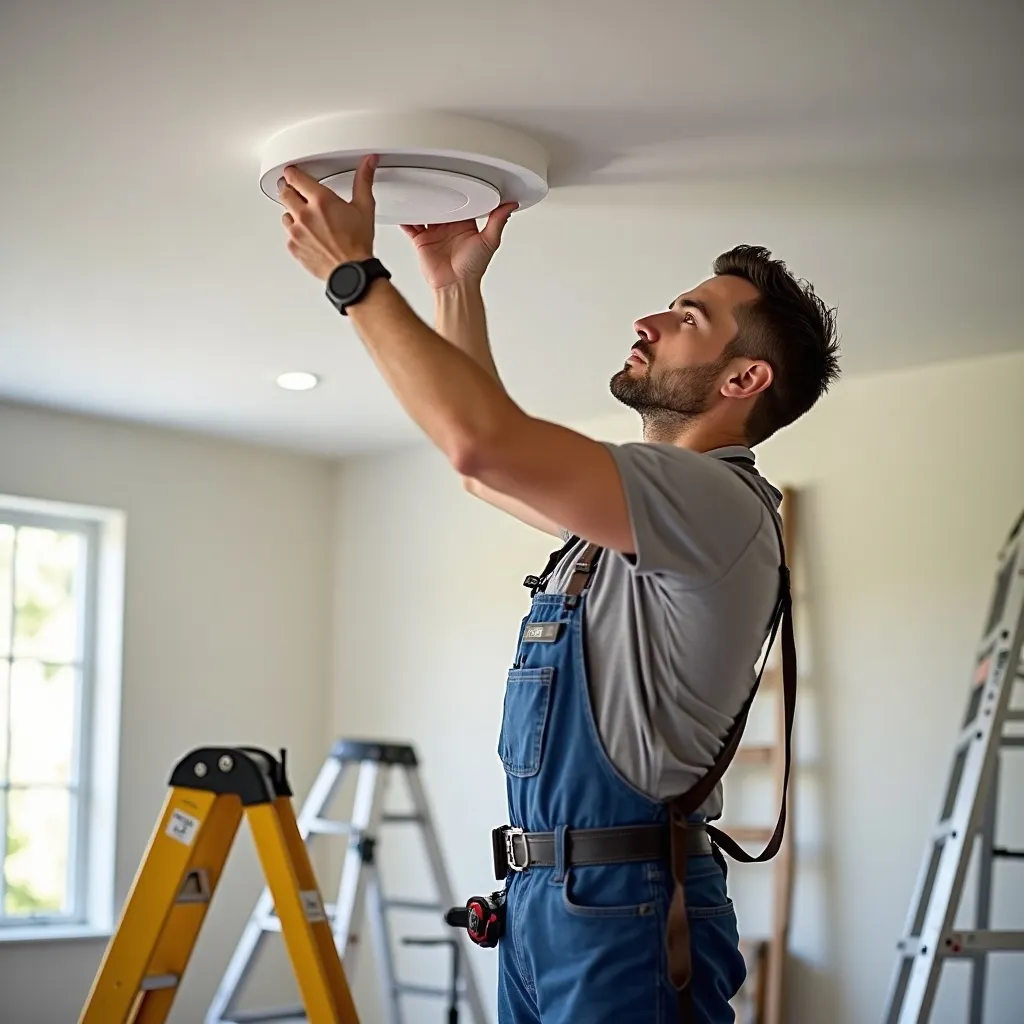
Understanding the Risks of DIY Electrical Work
Attempting do-it-yourself electrical undertakings can seem attractive to property owners hoping to reduce costs, but it carries significant risks. Many individuals misjudge the intricacy of electrical networks, regularly leading to faulty repairs or installations. This absence of expertise can lead to power malfunctions, fires, or electrocutions, imperiling both the homeowner and their property.
In addition, DIY work might not adhere to local building codes, possibly leading to legal complications or costly fines.
Moreover, without the proper tools and safety equipment, homeowners may expose themselves to hazardous situations. Even ostensibly easy projects, such as swapping out a light fixture, can have unanticipated problems if not completed correctly.
There is also apprehension about the potential for long-term damage to the home's electrical system.
The Competence That Preserves Your Home Safe
Guaranteeing home security requires the expertise of a residential electrician, which is paramount.
They perform detailed safety examinations, guaranteeing all systems are operating correctly and meet regulatory standards.
Furthermore, their command of code requirements and proficient diagnostic expertise mitigate potential hazards before they develop into serious issues.
Thorough Protection Inspections
A comprehensive safety inspection conducted by a qualified residential electrician is necessary for maintaining a safe home environment. During this procedure, electricians review wiring, connections, and electrical panels to detect potential hazards.
They examine for outdated components that may pose fire risks or result in electrical failures. Additionally, they evaluate the grounding and bonding systems to confirm they meet safety standards.
When electricians spot problems like overloaded circuits or faulty wiring, they give homeowners practical recommendations to reduce risks. These inspections not only improve safety but also boost energy efficiency, potentially lowering utility bills.
In the final analysis, frequent safety checks safeguard both the home and its residents, guaranteeing a reliable electrical system that performs reliably.
Code Compliance Verification
Code compliance assurance serves as a key component in guaranteeing the reliability and safety of residential electrical systems.
Professional electricians are skilled in local, state, and national electrical codes, which are designed to defend homeowners from possible dangers. These codes include various aspects, such as wiring methods, circuit protection, and grounding techniques, all essential for safe operation.
By following these standards, electricians minimize the threat of fire hazards, shock hazards, and equipment failure. Additionally, regulatory adherence is typically a necessity for homeowner's insurance and can influence home value.
Property owners who retain a professional electrician confirm that their electrical installations meet required safety standards, providing peace of mind and a healthier living space.
Advanced Correction Techniques
Electrical systems can encounter problems despite compliance with safety codes. When problems arise, expert troubleshooting skills become crucial.
Residential electricians possess expert knowledge and skills that allow them to detect problems quickly, often prior to becoming serious hazards. Their capacity to examine intricate electrical networks and pinpoint problems guarantees that homeowners are not confused—literally and figuratively.
These experts employ advanced tools and techniques to pinpoint malfunctions, whether it's a dimming fixture or a blown circuit. By tackling these problems quickly, they not only restore functionality but also improve the overall safety of the home.
In the end, relying on a skilled electrician for troubleshooting is a proactive step toward protecting both residents and property.
Determining the Best Residential Electrician
Determining the fitting residential electrician takes careful review of several key factors.
Property owners should check credentials and licenses to guarantee conformity with local regulations.
Also, consider the electrician's expertise and experience, and obtain detailed quotes for clarity.
These actions facilitate an informed decision that highlights quality and safety.
Check Credentials And Permits
Prior to engaging a residential electrician, it is essential to confirm their credentials and licenses to guarantee adherence with local regulations and industry standards. This step ensures that the electrician has undergone the necessary training and has the knowledge required for safe and effective electrical work.
Verifying valid credentials safeguards homeowners from possible risks and ensures that the electrician follows safety protocols. Additionally, confirming credentials can help identify professionals who keep current on the latest industry practices and technologies.
Property owners should request proof of insurance and confirm that the electrician holds any required certifications. Following these steps not only strengthens security but also fosters trust in the quality and reliability of the electrical services rendered.
Analyze Experience And Capability
Assessing the competence and experience of a residential electrician is essential for ensuring high-quality workmanship. A seasoned electrician regularly brings a wealth of knowledge collected through years of hands-on experience. This foundation enables them to handle assorted electrical configurations and troubleshoot issues proficiently.
Prospective clients ought to ask regarding the electrician's specific areas of expertise, such as residential wiring, lighting installations, or electrical repairs. Moreover, understanding the types of projects they have completed in the past can give information about their capabilities.
Feedback and testimonials from prior clients can also provide beneficial references in determining reliability and quality of service. By thoroughly evaluating an electrician's experience and expertise, homeowners can determine the best course that prioritize safety and optimal performance.
Request In-depth Estimates
In what ways can homeowners ensure they get competitive rates and excellent workmanship when hiring a residential electrician? One effective strategy involves obtaining comprehensive quotes from several electrical professionals.
This method not only helps with evaluating costs but also offers understanding of the scope of work involved. Homeowners should verify that estimates contain labor, materials, and any additional fees. A clear estimate demonstrates the electrician's professionalism and willingness to communicate.
Furthermore, it permits homeowners to question any unclear charges, fostering a better understanding of the project. By obtaining multiple estimates, homeowners can base sound decisions, thus ensuring they hire a competent residential electrician who satisfies their needs while following safety standards.
Top Electrical Issues Best Handled by Experts
If electrical issues develop in a home, it's vital to understand which concerns require specialized knowledge. Typical electrical problems that should be delegated to certified electrical experts consist of frequent circuit breaker trips, which may point to overloads or faulty wiring.
Flickering lights often indicate serious issues, like defective connections or aged wiring systems. Additionally, outlets that are warm to touch or emit a burning smell represent major fire risks and need urgent examination.
An additional worry is the placement of new electrical fixtures or systems, which often necessitates following local safety codes and standards. Homeowners should also get professional assistance for any electrical projects involving the main service panel, as errors in this area can lead to dangerous situations.
Why Meeting Standards Is Important for Safety
Ensuring that electrical work meets code compliance plays a crucial role in preserving safety within home environments. Electrical codes are created to minimize hazards such as fires, electrocution, and property damage. These regulations are developed based on extensive research and industry standards, reflecting the latest safety practices.
When homeowners retain a residential electrician, they enjoy advantages of the technician's skill set in administering these codes, assuring all installations and repairs are up to code.
Non-compliance may cause dangerous situations, including defective electrical systems and insufficient electrical grounding, which may not only pose risks to inhabitants but also affect insurance coverage. Additionally, properties that do not meet code standards can face penalties or problems during real estate transactions.
In the final analysis, complying with electrical codes is vital for preserving lives and property, stressing the importance of employing qualified electricians for all electrical work.
Boost Long-Term Financial Benefits with Professional Installations
Investing in skilled electrical work can yield significant long-term savings for home occupants. Skilled electricians guarantee that all wiring and systems are installed correctly, decreasing the odds of pricey maintenance and new installations due to substandard workmanship. By maintaining compliance with safety standards and using high-quality materials, professionals minimize the risk of perilous electrical situations, which can lead to high-cost deterioration or even uncontrolled fires.
Furthermore, energy-efficient installations can decrease utility bills over time. For instance, upgrading to energy-efficient lighting and appliances can lead to major cost reductions on electricity costs. Additionally, professional electricians can give recommendations on enhancing electrical performance for better read now efficiency.
Ultimately, although the early expense of hiring a qualified electrician may seem higher than a DIY method, the long-term rewards—like reduced repair costs and cheaper energy bills—substantially exceed the upfront investment.
Homeowners can maintain their savings and properties by prioritizing licensed electrical work.
The Sense of Security That Accompanies Expert Solutions
Comfort and security frequently follows the option to engage a professional electrician. Homeowners can be reassured knowing that their electrical systems are in the hands of qualified experts who understand the complexities of wiring, circuits, and safety regulations.
Skilled electricians possess the required qualifications and expertise to identify possible dangers, ensuring that electrical work and maintenance comply with safety regulations.
Moreover, bringing in a competent reduces the risk of electrical failures that could lead to dangerous situations such as fire risks or electrical injury. The assurance that a trained individual has handled the undertaking allows homeowners to attend to their normal routines without fretting about hidden dangers.
Furthermore, many professional electricians extend guarantees for their services, further boosting the sense of security.
In the end, depending on a skilled electrician not only safeguards your property but also establishes a worry-free setting, allowing families to succeed without the strain of unresolved electrical issues.
Common Questions Asked Often
How Can I Identify a Certified Residential Electrician?
To find a experienced residential electrician, one should ensure appropriate licensing, protection, and references. Additionally, assessing digital ratings and requesting suggestions from acquaintances can help ensure the electrician's reliability and expertise.
What Are the Symptoms of Electrical Malfunctions in My Home?
Signs of electrical problems consist of flickering lights, tripped circuit breakers, warm outlets, burning smells, and discolored switches. Unusual noises from appliances or outlets may also suggest potential issues demanding prompt action from a qualified professional.
How Often Should I Have My Electrical System Inspected?
Homeowners should have their electrical systems inspected every three to five years. Regular inspections help identify potential issues early, ensuring safety and efficiency while reducing hazards associated with old or defective electrical components in the home.
Can I Do Basic Electrical Repairs on My Own?
While minor electrical repairs may seem manageable, it's generally advisable to consult a professional. Insufficient expertise can lead to dangerous conditions, potential code violations, or expensive repairs, highlighting the necessity for expert assistance for electrical tasks.
What Can I Perform in Circumstance of an Electrical Critical Issue?
If an electrical emergency occurs, you should promptly shut off the power at the circuit breaker, avoid contact with live wires, and call a qualified electrician for assistance. Your safety must remain the top priority.
Report this page